Medico-legal Cases

Table of Contents

A medico-legal case (MLC) occurs when someone is injured or has a health problem, and the police need to investigate to determine what happened and who is responsible.

Why Laws Matter to Nurses

Laws are important for nurses for several reasons. First, they protect the public by making sure only qualified people can practice nursing. Second, laws define what nurses are allowed to do and not do in their job. This also helps protect patients from harm. Understanding the law helps nurses handle legal situations effectively and helps the government decide who gets a nursing license and when to take it away if a nurse is very bad at their job or acts carelessly.
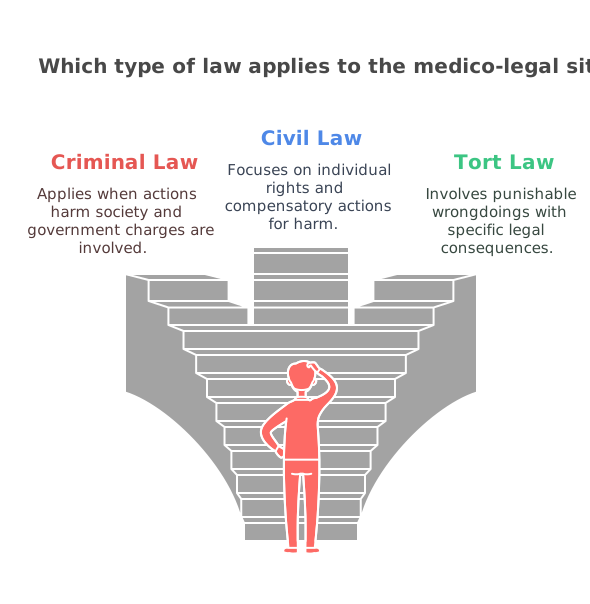
Types of Laws in Medico-legal Situations

There are different types of laws that come into play in medico-legal cases:

  • Criminal Law: This deals with actions that harm the community or society as a whole. The government brings charges against someone who breaks a criminal law. For instance, if a nurse steals drugs, the government might take them to court.
  • Civil Law: This focuses on the rights and responsibilities of individuals. It aims to provide compensation to someone who has been harmed by a healthcare worker. For example, if a nurse is careless and hurts a patient, the patient can sue the nurse to get money to cover the damage. Sometimes, the hospital or clinic where the nurse works might also be held responsible.
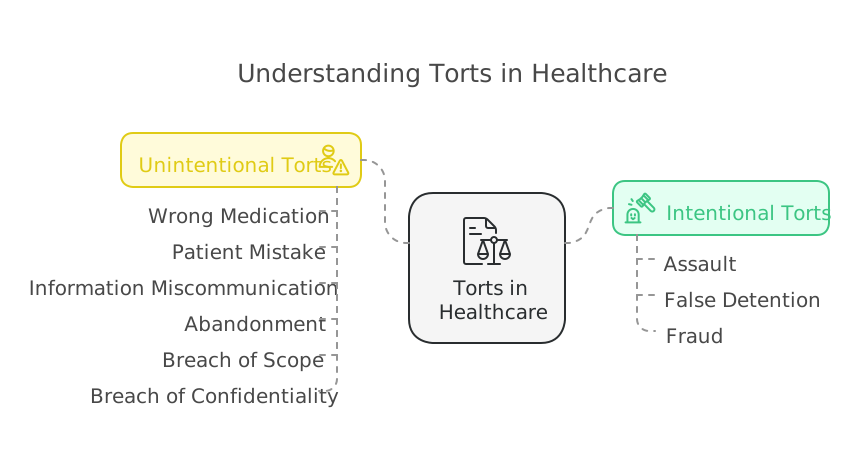
  • Tort Law/Crimes: These are wrongdoings that can be punished by law. There are two main types:

Intentional Torts: These are deliberate acts that cause harm. They can lead to both criminal and civil charges. Examples include:

Assault: Threatening to touch or treat someone without their permission. For example, giving an injection to a patient who said no. Patients have the right to refuse treatment at any time. Sexual assault by a healthcare worker is also an example.

False Detention: Holding someone against their will without a good legal reason or their consent. An example might be keeping someone in a medical facility when they shouldn’t be there.

Fraud: Lying on purpose to harm someone else. For example, saying you have qualifications you don’t when applying for a nursing job.

Unintentional Torts (Negligence): This happens when a healthcare worker doesn’t provide the expected level of care, which then hurts the patient. Examples include:

    • Giving the wrong medicine, giving it the wrong way, or giving the wrong amount.
    • Mistaking patients, such as preparing the wrong person for surgery, mixing up babies in the delivery room, or switching bodies in the morgue.
    • Not communicating important information about a patient’s condition, either verbally or in writing.
    • Keeping patient records poorly or not at all.
    • Forgetting surgical tools or sponges inside a patient’s body after surgery.
    • Losing or damaging a patient’s belongings or reputation.
    • Not doing what a reasonable nurse should have done, leading to harm.
    • Causing physical or mental harm to the patient.
    • Not reporting things like child abuse, sexual assault, or if a patient with a mental illness or infectious disease is being harmed.

Abandonment: Stopping a patient’s care without making sure they will get the same or better care from someone else.

Euthanasia (Mercy Killing): Intentionally killing someone to end their suffering, which is considered murder.

Breach of Scope of Practice: Doing things that you are not legally allowed to do as a nurse.

Breach of Confidentiality: Sharing a patient’s private information, like their medical history or treatment details, without their permission.
Objective Questions and Answer

1. What is the primary purpose of laws in nursing practice?

  • A. To create job opportunities for nurses
  • B. To protect public safety and ensure ethical nursing practice
  • C. To increase salaries for healthcare workers
  • D. To make nursing licenses easier to obtain
    • Answer: B
    • Rationale: Laws in nursing are primarily designed to protect patients by ensuring that nurses follow ethical standards and provide safe, competent care.

2. Which type of law deals with crimes such as stealing drugs by a nurse?

  • A. Civil Law
  • B. Tort Law
  • C. Criminal Law
  • D. Regulatory Law
    • Answer: C
    • Rationale: Criminal law deals with actions that are harmful to society, such as theft or drug misuse, which are considered criminal offenses.

3. What does a breach of confidentiality involve?

  • A. Sharing patient information without their consent
  • B. Refusing to treat a patient
  • C. Documenting patient care incorrectly
  • D. Administering medication without a doctor’s order
    • Answer: A
    • Rationale: Breaching confidentiality occurs when a nurse shares a patient’s private information without permission, violating privacy laws like HIPAA.

4. Which of the following is an example of an intentional tort?

  • A. Assaulting a patient
  • B. Giving the wrong medication accidentally
  • C. Holding a patient against their will without legal justification
  • D. Neglecting to inform a patient about their condition
    • Answers: A, C
    • Rationale: Intentional torts involve deliberate actions, such as assault or false imprisonment (holding someone without legal authority). Accidental or unintentional acts (e.g., negligence) do not fall under this category.

5. Under civil law, who can sue a nurse for negligence?

  • A. The government
  • B. The patient or their family
  • C. Other healthcare providers
  • D. The nursing school the nurse graduated from
    • Answer: B
    • Rationale: Civil law allows individuals, such as patients or their families, to seek compensation for harm caused by a nurse’s negligent actions.

6. What does abandonment of a patient mean in nursing?

  • A. Refusing to report to work
  • B. Leaving a patient without ensuring their care is continued
  • C. Forgetting to administer a medication
  • D. Refusing to communicate with a patient’s family
    • Answer: B
    • Rationale: Abandonment occurs when a nurse discontinues care for a patient without arranging for someone else to provide equivalent or better care, potentially endangering the patient.

7. Which of the following actions is considered a violation of a nurse’s scope of practice?

  • A. Educating a patient about their medication
  • B. Administering a blood transfusion without proper certification
  • C. Performing CPR in an emergency
  • D. Reporting a patient’s abuse to the authorities
    • Answer: B
    • Rationale: The scope of practice defines what tasks nurses are legally allowed to perform. Administering a blood transfusion without proper training or certification violates these legal boundaries.

8. What is the purpose of tort law in nursing practice?

  • A. To prevent nurses from leaving their jobs
  • B. To address wrongdoings that harm patients
  • C. To regulate nursing education
  • D. To issue licenses to healthcare professionals
    • Answer: B
    • Rationale: Tort law ensures that healthcare workers are held accountable for intentional or unintentional harm caused to patients, promoting justice and safety in healthcare.

9. A nurse leaves a surgical sponge inside a patient after surgery. This is an example of:

  • A. Intentional harm
  • B. Negligence
  • C. Fraud
  • D. Patient abandonment
    • Answer: B
    • Rationale: Negligence occurs when a nurse fails to meet the standard of care, such as forgetting a surgical sponge, which can cause harm to the patient.

10. Which of the following are legal responsibilities of nurses?

  • A. Reporting suspected child abuse
  • B. Maintaining accurate documentation
  • C. Sharing patient medical history with friends
  • D. Ensuring patient safety during care transitions
    • Answers: A, B, D
    • Rationale: Nurses are legally and ethically required to report abuse, maintain proper records, and ensure patient safety. Sharing confidential information without consent violates patient rights and the law.