
Reproductive Health
Domestic violence
Table of Contents
INTRODUCTION
This is violence that occurs in a domestic setting, such as marriage or cohabitation.
In a broader sense, abuse including nonphysical abuse in such settings is called “domestic abuse”.
The term “domestic violence” is often used as a synonym for “intimate partner violence” which is committed by one of the people in an intimate relationship against the other, and can take place in relationships or between former spouses or partners.
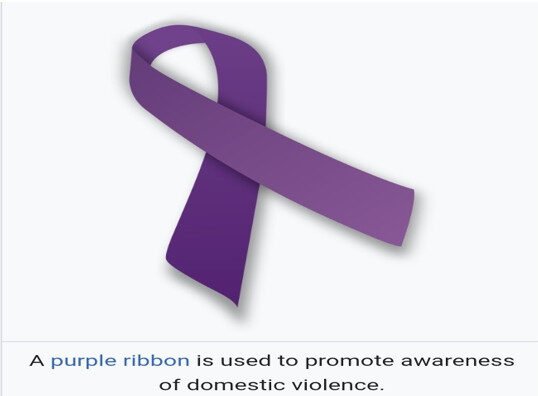
In a broader sense, the term can also refer to violence against one’s family members; such as children, siblings or parents.
Worldwide, the victims of domestic violence are overwhelmingly women, and women tend to experience more severe forms of violence.
WHO estimates that one in three of all women are subject to domestic violence at some point in their life.
In some countries, domestic violence may be seen as justified or legally permitted, particularly in cases of actual or suspected infidelity on the part of the woman.
Research has established that there exists a direct and significant correlation between a country’s level of gender inequality and rates of domestic violence.
Domestic violence is among the most underreported crimes worldwide for both men and women especially when the abuser believes that they are entitled to it, or that it is acceptable, justified, or unlikely to be reported. Also the victims or abuser may consider their experiences as family conflicts that gotten out of control.
In abusive relationships, there may be a cycle of abuse during which tensions rise and an act of violence is committed, followed by a period of reconciliation and calm. An abuser may also downplay or explain away their own actions, causing you to doubt your experiences of abuse (gaslighting).
It may produce an intergenerational cycle of violence in children and other family members who may feel that such violence is acceptable or condoned.
The victims may be trapped in domestically violent situations through isolation, power and control, traumatic bonding to the abuser, cultural acceptance, lack of financial resources, fear, and shame, or to protect children.
FORMS OF DOMESTIC VIOLENCE
- It can range from subtle, coercive forms to marital rape, forced or child marriages and other violent physical abuse, such as choking, beating, female genital mutilation and acid throwing that may result in disfigurement or death.
- It also includes the use of technology to harass, control (includes coercive control), monitor, stalk or hack.
- It also involves domestic murder which includes stoning, bride burning, honor killing and dowry death which sometimes involves non-cohabiting family members.
The forms may include: - Physical
- Verbal
- Emotional
- Financial
- Religious
- Reproductive and sexual
POSSIBLE SIGNS OF DOMESTIC VIOLENCE
You may be experiencing domestic violence if your partner:
- Calls you names, insults you or puts you down
- Always acts jealous or possessive
- Tries to control how you spend money and bans your access to money
- Tracks where you go, what you do online or who you talk to on phone
- Stops you from seeing family members or friends
- Prevents you from going to work or school
- Threatens to keep you from seeing your children
- Gets abusive or angry when drinking alcohol or using drugs
- Tries to control whether or not you see a health professional
- Threatens you or your children or your pets with violence or a weapon
- Hits, kicks, shoves, slaps, chokes or otherwise hurts you, your children or your pets
- Forces you to have sex or engage in sexual acts against your will
- Controls your birth control or demands that you get pregnant
- Blames you for problems in the relationship or violent behavior, or tells you that you deserve it
NOTE: If you are gay, bisexual, transgender or gender diverse, you may also be experiencing domestic violence if your partner:
- Threatens to tell friends, family, colleagues or community members about your sexual orientation or gender identity without consent.
- Tells you that leaving the relationship means you are admitting that gay, bisexual or transgender relationships are wrong.
- Justifies abuse by telling you that your gender identity or sexual orientation isn’t “real”.
- Tells you that law enforcement won’t help a gay, bisexual, transgender or gender-diverse person.
EFFECTS OF DOMESTIC VIOLENCE
Victims may experience the following:
- Physical disabilities
- Dysregulated aggression
- Chronic health problems, some may drink too much alcohol
- Mental illness
- Poor ability to create healthy relationships
- They may develop some behaviors that may harm themselves such as, trying to avoid or ignore certain situations, thoughts or feelings, use illegal drugs, may attempt suicide.
- Severe psychological disorders such as post-traumatic stress disorder (PTSD).
- Limited finances.
In children:
- Children may not be physically harmed however domestic violence in their homes makes them more likely to have emotional, social and developmental problems. They are also at a higher risk of mental health conditions, problems at school, aggressive behavior and low self-esteem.
- Children may show early signs of psychological problems such as avoidance, hyper vigilance to threats and dysregulated aggression which may contribute to vicarious traumatization.
SEEKING HELP
The following measures can be undertaken to get help:
- First step is to identify the problem, remember though, no matter what your situation, if you are being abused, you aren’t to be blamed.
- Call someone to talk to, this may be a counselor, friend or family member (someone you trust).
- Report to the nearest police station (involve authorities).
- You can go to a mental health center, a local court, women’s support groups or a healthcare center.
- Make a quick decision, plan to leave that place and pack personal belongings. You can consider to send the children to a safe place and ensure them that everything is okay, it’s just a casual visit.
- Make sure you keep your important personal papers, money, bank accounts somewhere else.
- Keep your phone close, change passwords and have emergency numbers and key contacts with you.
- Stay digitally safe by using phones carefully, using home computers cautiously, be aware of location devices in your phone or car, change your email password often, clear your computer or phone viewing lists history.
ROLES OF A HEALTH PROFESSIONAL
- Doctors, nurses and midwives can identify domestic violence victims, offer them emotional support and counselling, care for their wounds and ensure their safety by connecting the victim to local resources for people dealing with domestic violence and also link them to the legal team.
- Ensure that as a health care professional, you are vigilant enough, give your patients time and a listening ear, be empathetic enough, be patient centered, offer holistic care and carry out a full history accompanied by head to toe exam. This will help you detect the victims of domestic violence easily.
- Take note of general observation for every patient that enters your unit: gait, posture, tone, mood.
NOTE:
Domestic violence can have devastating effects. Although it might not be possible to stop your partner’s abusive behavior, you can get help. Remember, no one deserves to be abused.
Immigrants who do not have permanent legal status, older women, younger women, children and the LGBTQ+ individuals may fail to get help because of their statuses.
Join Our WhatsApp Groups!
Are you a nursing or midwifery student looking for a space to connect, ask questions, share notes, and learn from peers?
Join our WhatsApp discussion groups today!
Join Now
We are a supportive platform dedicated to empowering student nurses and midwives through quality educational resources, career guidance, and a vibrant community. Join us to connect, learn, and grow in your healthcare journey
Quick Links
Our Courses
Legal / Policies
Get in Touch
(+256) 790 036 252
(+256) 748 324 644
Info@nursesonlinediscussion.com
Kampala ,Uganda
© 2026 Nurses online discussion. All Rights Reserved